


July – Freedom & Liberation
- Cristal Tejeda
- Jul 18, 2025
- 5 min read


Opening Prayer
Dear Heavenly Father, we thank You for the gift of freedom and the opportunity to educate and empower our children. May this month inspire growth, resilience, and a deeper understanding of the importance of freedom for all.
Amen.
Letter to the People/Supporters
Dear Young Scholars and Supporters, July is a month dedicated to celebrating freedom and liberation. As we honor Black Independence Day and the global Black liberation movements, let's take time to reflect on the struggles and triumphs of our ancestors. Let’s teach our children about the power of freedom, and how each of us can continue to fight for justice and equality.
Honoring Black Independence Day (July 5th)
Exploring the significance of Black Independence Day, a moment in time when freedom and liberation became possible for Black communities.
📅 What is Black Independence Day?
July 5 marks a rich tradition rooted in early 19th-century African American celebrations—especially in New York. After New York’s gradual abolition law took effect on July 4, 1827, Black communities shifted their festivities to July 5 to avoid violence and assert their freedom in their own terms (Hallie Q. Brown Community Center, Wikipedia).
The New York event in 1827 drew up to 4,000 Black Americans in a parade along Broadway to Zion Church and City Hall—led by a marshal and church groups (Wikipedia).
Through the 1830s, these “Fifth of July” celebrations became a form of protest and empowerment, highlighting how July 4th celebrations of liberty didn’t reflect Black experience (History News Network).
🔥 Frederick Douglass & July 5, 1852
On July 5, 1852, Frederick Douglass delivered his iconic speech, “What to the Slave Is the Fourth of July?”, in Rochester, NY. He delivered it on the 5th intentionally to underscore the exclusion of enslaved people from America’s freedom (Zinn Education Project).
In this oration, Douglass challenged his audience: “This Fourth [of] July is yours, not mine.” He described the holiday as a "mockery" for those still enslaved (TIME).
🌐 Why celebrate on July 5 today?
It honors the historical rebuke of celebrating July 4 while slavery existed.
It celebrates Black self-determination and wilderness in shaping a national identity.
It creates room for reflection and family-forward celebration free from historical trauma.
Modern observances may overlap with Juneteenth, but July 5 honors a distinct story tied to abolition movements in the early 1800s (History News Network, arevamartin.com).
📚 Recommended Resources for Families
Resource | Description |
National Museum of African American History & Culture – “What to the Slave is the Fourth of July?” | Provides original text and context of Douglass’s speech (National Museum of African American History) |
Wikipedia – “Fifth of July (New York)” | Offers detailed historical overview of celebrations and significance (Wikipedia) |
Zinn Education Project – Frederick Douglass speech archive | Good for educators and older readers looking to explore the full text (Zinn Education Project) |
Time / History News Network – articles on the 1852 speech and why July 5 mattered | Offers accessible narratives and primary quotes (TIME, History News Network) |
🧠 Talking Points for Parents
Why July 5? Explain how celebrating on the 4th often meant exclusion, danger, and reminder of injustice—and how Black communities carved out their own space by moving it to July 5.
Legacy of protest and pride. These celebrations weren’t just parties—they were statements of freedom and belonging in a country that denied those truths.
Contemporary connections. Draw parallels to today's emphasis on representation and historical reflection—like honoring Juneteenth and reexamining July 4 narratives.
📎 Reliable Links
Teaching Our Kids About Global Black Liberation Movements
A deep dive into the stories of Black liberation movements around the world, focusing on figures like Nelson Mandela, Marcus Garvey, and the Black Panther Party.
Here’s a rich, accurate, and family-friendly blog entry on Global Black Liberation Movements, written to inspire and inform both children and parents. It highlights key leaders, moments, and values, with links to credible resources for deeper exploration:
🌍 Teaching Our Kids About Global Black Liberation Movements
A Journey Through Strength, Unity, and Justice
Black liberation isn’t just a chapter in American history—it’s a global story of courage, resistance, and vision. From South Africa to Jamaica, from the streets of Oakland to the shores of Ghana, freedom fighters across the world have stood up to injustice. These movements weren’t just about protest—they were about building a better future for generations to come.
Let’s introduce our children to a few powerful figures and movements that helped shape the world.
✊🏽 Nelson Mandela & The South African Freedom Struggle
Country: South Africa Movement: Anti-Apartheid Why He Matters: Mandela spent 27 years in prison for fighting apartheid—a system that legally separated Black South Africans from white citizens. But instead of choosing hate, he chose peace and unity. In 1994, he became South Africa’s first Black president.
Key Lesson for Kids: Stand firm in your beliefs and forgive when it’s time to build something better.
🖤 Marcus Garvey & The Pan-African Movement
Country: Jamaica (global influence) Movement: Pan-Africanism Why He Matters: Garvey believed in Black pride, economic independence, and the idea that people of African descent across the world should unite. In the 1920s, he led one of the largest Black movements in the world and created the Universal Negro Improvement Association (UNIA).
Key Lesson for Kids: Be proud of who you are. Unity across borders can make us stronger.
Books That Celebrate Freedom & Resistance
These books celebrate freedom and the power of resistance, teaching our children to stand firm for justice.
"We Are the Change" by Daryl L. Johnson
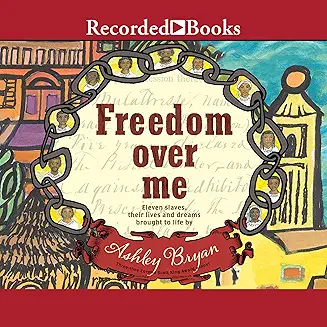
"Freedom Over Me" by Ashley Bryan
"March" (a graphic novel series) by John Lewis
Parent Suggestions
Encourage conversations with your children about what freedom means to them. Discuss the sacrifices made by individuals in history to secure their liberties, and explore modern-day freedom struggles.

Games & Coloring Pages
Create a coloring page of iconic freedom fighters or historical Black figures. Offer a freedom puzzle game that highlights the global movements for Black liberation.

Ending Affirmation"
I am free to be who I am. I am proud of my heritage, and I honor those who fought for our freedom. I will carry the torch of resistance, courage, and liberation in my heart."


Comments